

The world of cryptocurrency has transformed global finance, giving people more control over their digital wealth than ever before. However, with this freedom comes a major challenge: losing access to crypto wallets, passwords, seed phrases, or funds stolen through scams and cyberattacks. As billions of dollars in cryptocurrency remain inaccessible worldwide, the demand for professional crypto asset recovery services continues to grow rapidly.
Today, crypto asset recovery is no longer a niche technical process. It has become an essential industry involving blockchain forensics, cybersecurity, password recovery systems, legal coordination, and advanced digital investigation techniques. Whether someone forgot a wallet password years ago or became the victim of a phishing attack, modern crypto asset recovery solutions aim to help users regain access to their digital assets safely and legally.
According to information published on Crypto Asset Recovery, millions of dollars in cryptocurrency remain locked due to forgotten credentials and inaccessible wallets. The company states that many wallet owners lose access because of password issues, damaged backups, or misplaced recovery phrases.
Understanding Crypto Asset Recovery
Crypto asset recovery refers to the process of restoring access to cryptocurrency wallets, recovering stolen digital assets, or tracing blockchain transactions connected to scams or fraud. Unlike traditional banking systems, cryptocurrency transactions are decentralized and irreversible, which makes recovery extremely complex.
When users lose access to a wallet, there is usually no customer service hotline capable of resetting credentials. Recovery often depends entirely on:
- Existing wallet backups
- Password memory fragments
- Seed phrase availability
- Blockchain transaction tracing
- Digital forensic investigation
This is why professional crypto asset recovery services have become increasingly important.
Why Crypto Asset Recovery Is Necessary
Many cryptocurrency users believe blockchain technology is completely secure—and technically, blockchain systems themselves are highly secure. However, human mistakes remain the biggest vulnerability.
Common reasons people seek crypto asset recovery include:
- Forgotten wallet passwords
- Lost seed phrases
- Corrupted hard drives
- Deleted wallet files
- Scam investments
- Phishing attacks
- Exchange account compromises
- Fake recovery scams
Research highlighted by crypto recovery specialists suggests that a significant percentage of Bitcoin and other digital assets may be permanently inaccessible because users lost critical wallet information.
The Rise of the Crypto Asset Recovery Industry
As cryptocurrency adoption expanded, so did the number of people locked out of wallets containing valuable assets. This led to the growth of the crypto asset recovery industry.
Companies like Crypto Asset Recovery focus on helping users recover access to wallets through secure and offline recovery methods. According to the company’s homepage, they specialize in password recovery for wallets such as:
- Bitcoin Core
- MetaMask
- Trust Wallet
- Blockchain.com
The company says it operates using air-gapped systems that never connect wallets directly to the internet during recovery attempts.
How Crypto Asset Recovery Works
Professional crypto asset recovery usually involves several technical steps.
1. Wallet Analysis
Recovery experts first analyze the wallet type and determine:
- Encryption methods
- Wallet version compatibility
- Backup availability
- Password complexity
Different wallets use different security models, meaning recovery methods vary widely.
2. Password Reconstruction
In many cases, users remember partial information about passwords. Recovery systems may use:
- Known password fragments
- Common password patterns
- Typing habits
- Historical password structures
Specialized recovery software can safely test password combinations offline.
According to Crypto Asset Recovery, many recovery attempts are performed on isolated offline systems to improve security and reduce exposure risks.
3. Blockchain Transaction Tracing
When cryptocurrency is stolen, crypto asset recovery specialists often use blockchain forensics to trace transactions.
Blockchain tracing can reveal:
- Wallet movement patterns
- Exchange interactions
- Cross-chain transfers
- Suspicious transaction clusters
Contrary to popular belief, cryptocurrency is not fully anonymous. Public blockchain ledgers allow investigators to follow transaction histories.
4. Exchange Identification
One major turning point in many recovery cases occurs when stolen funds enter centralized exchanges.
Recovery teams may identify:
- The exchange platform involved
- Wallet deposit addresses
- Linked transaction histories
In some cases, law enforcement cooperation can help freeze accounts connected to stolen assets.
A Reddit discussion involving blockchain tracing demonstrated how investigators linked stolen Bitcoin transactions to exchange activity, showing how forensic tracking can support recovery efforts.
Air-Gapped Recovery Systems
One of the biggest concerns in crypto asset recovery is security. Recovery attempts involve highly sensitive wallet data, private keys, and encrypted files.
According to Crypto Asset Recovery, the company uses “air-gapped” systems—computers completely disconnected from the internet—to conduct wallet recovery operations.
This approach aims to:
- Reduce hacking risks
- Prevent remote access attacks
- Protect wallet credentials
- Maintain offline security during password testing
Air-gapped recovery infrastructure has become an increasingly important feature within the crypto asset recovery industry.
Common Wallets Supported in Crypto Asset Recovery
Modern crypto asset recovery services often support multiple wallet platforms.
Popular supported wallets include:
- Electrum
- MetaMask
- Trust Wallet
- Blockchain.com
- Bitcoin Core
Recovery capabilities depend on:
- Wallet encryption structure
- File integrity
- Available recovery data
Some wallets are easier to recover than others due to how their encryption systems are designed.
The Importance of Transparency in Crypto Asset Recovery
The crypto recovery industry has unfortunately attracted many scams. Some fake recovery services promise guaranteed results or request upfront payments without delivering any legitimate investigation.
Crypto Asset Recovery emphasizes transparency by publicly identifying its founders Chris Brooks and Charles Brooks and explaining their operational approach.
The company states that it operates on a “no recovery, no fee” basis for many cases.
However, users should always independently evaluate any recovery provider carefully before sharing wallet information or making payments.
Challenges in Crypto Asset Recovery
Despite advances in blockchain forensics and password recovery systems, crypto asset recovery remains difficult.
Major obstacles include:
Missing Seed Phrases
If both passwords and recovery phrases are completely lost, recovery may become impossible.
Damaged Hardware
Destroyed hard drives or corrupted storage devices can permanently eliminate wallet data.
Advanced Scams
Modern scammers frequently use mixers, decentralized protocols, and layered transactions to obscure fund movements.
Fake Recovery Services
Scam recovery companies often target desperate victims with unrealistic promises.
Reddit discussions about crypto scams frequently warn users to avoid recovery scammers claiming guaranteed fund returns.
Crypto Asset Recovery and Blockchain Forensics
Blockchain analysis has become one of the most important tools in modern crypto asset recovery.
Investigators use forensic software to:
- Visualize transaction flows
- Identify suspicious wallets
- Detect laundering patterns
- Analyze exchange interactions
This process helps create investigative reports that may assist victims and authorities.
Security Best Practices to Prevent Recovery Situations
The best form of crypto asset recovery is prevention.
Important security recommendations include:
Use Hardware Wallets
Cold storage significantly reduces exposure to online attacks.
Protect Seed Phrases
Never store recovery phrases digitally without encryption.
Enable Two-Factor Authentication
Extra authentication layers reduce account compromise risks.
Avoid Suspicious Links
Many phishing scams imitate legitimate wallet platforms.
Keep Offline Backups
Secure offline copies of wallet data improve recovery possibilities.
The Emotional Side of Crypto Asset Recovery
Losing access to cryptocurrency can be emotionally devastating. Some wallets contain life savings, long-term investments, or assets accumulated years earlier.
Many people seeking crypto asset recovery experience:
- Anxiety
- Frustration
- Regret
- Fear of permanent loss
This emotional pressure is one reason scammers frequently target recovery victims with false promises.
Professional recovery services often emphasize realistic expectations rather than guaranteed success.
Success Rates and Recovery Expectations
According to information published by Crypto Asset Recovery, the company reports historical recovery success rates exceeding 50% in some categories of wallet recovery.
However, recovery outcomes depend on many factors:
- Wallet type
- Password complexity
- Available backup information
- Time elapsed since loss
- Blockchain transaction activity
No legitimate crypto asset recovery service can guarantee success in every case.
Evaluating Crypto Recovery Services Safely
Before choosing a crypto asset recovery provider, users should carefully evaluate:
- Company transparency
- Security practices
- Public reputation
- Technical expertise
- Fee structure
- Realistic claims
Independent reputation services show mixed reviews and varying trust assessments for crypto recovery websites, highlighting the importance of due diligence before engaging any service.
The Future of Crypto Asset Recovery
The future of crypto asset recovery will likely involve:
- AI-assisted password analysis
- Advanced blockchain intelligence
- Cross-chain tracing systems
- Improved wallet backup technologies
- Stronger exchange compliance systems
As cryptocurrency adoption continues growing, recovery services will become increasingly sophisticated and regulated.
Why Crypto Asset Recovery Matters
Cryptocurrency represents more than digital money—it represents ownership, independence, and financial opportunity. When access is lost, the impact can be significant.
Professional crypto asset recovery exists to bridge the gap between blockchain security and human error. By combining cybersecurity expertise, forensic investigation, password recovery systems, and blockchain analytics, recovery specialists attempt to restore access where possible.
While recovery is never guaranteed, modern technologies continue improving the chances of success for many users.
Final Thoughts
The world of crypto asset recovery is both highly technical and deeply human. Behind every locked wallet is a real person hoping to regain access to their digital assets.
Companies like Crypto Asset Recovery highlight how the industry has evolved from simple password guessing into a sophisticated field involving offline security systems, blockchain tracing, forensic analysis, and advanced recovery engineering.
At the same time, users must remain cautious. The crypto recovery space includes both legitimate professionals and fraudulent operators. Research, verification, and realistic expectations are essential before trusting anyone with sensitive wallet information.
Ultimately, the best strategy is a combination of strong prevention practices and informed recovery action. As cryptocurrency continues shaping the future of finance, crypto asset recovery will remain an increasingly important part of protecting digital wealth.
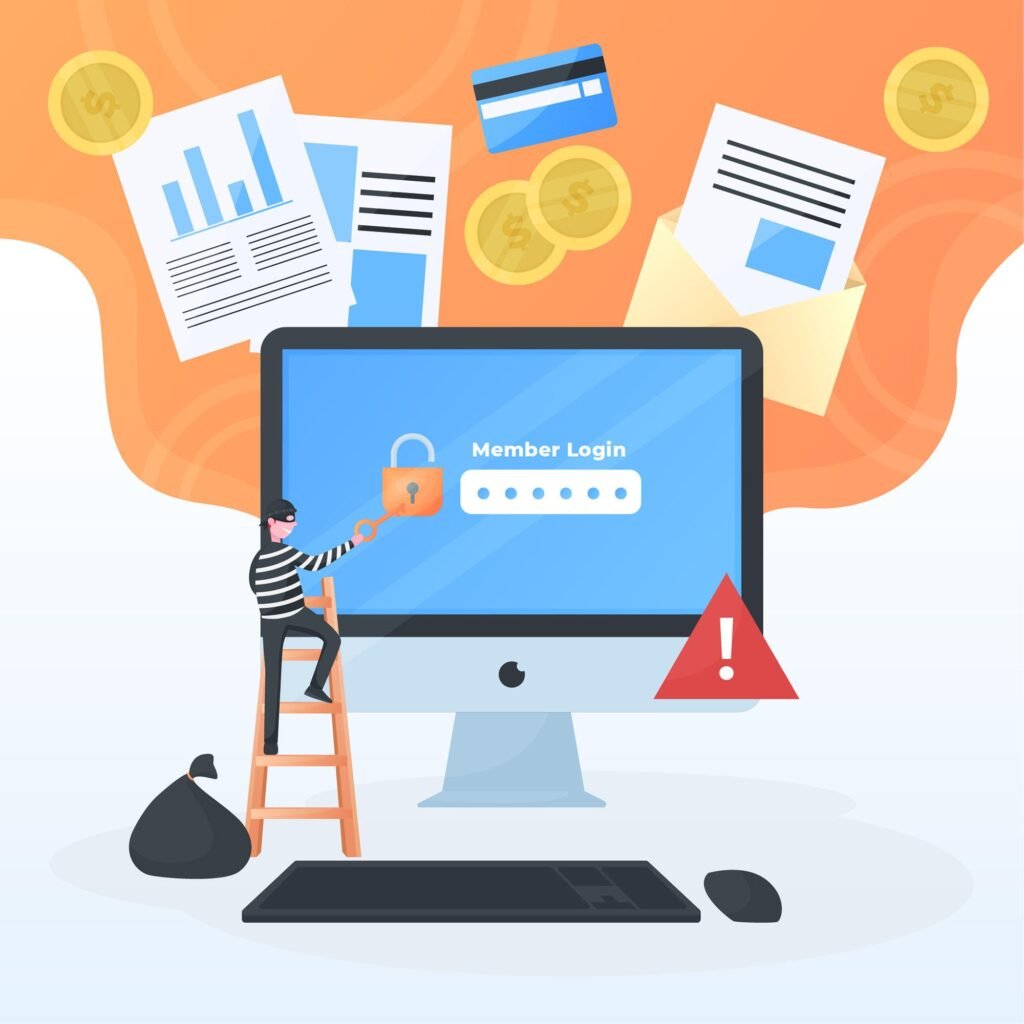
Losing Tether (USDT) can feel overwhelming, but recovery is sometimes possible—depending on how the loss occurred and how quickly you act. While there’s no guaranteed method to reverse transactions, understanding the right steps can improve your chances of success.
1. Identify How the USDT Was Lost
Start by determining the exact situation:
- Sent to the wrong address
- Phishing or scam
- Wallet or exchange compromise
- Lost access (password/seed phrase)
Each scenario requires a different recovery approach. For example, a mistaken transfer is very different from a hacked account.
2. Gather Transaction Details
Before doing anything else, collect all relevant information:
- Transaction ID (TXID)
- Wallet addresses (sender and receiver)
- Date and time of transfer
- Screenshots or confirmations
You can track your transaction using blockchain explorers on networks like Ethereum or Tron, depending on where your USDT was sent.
3. Trace the Transaction
USDT transactions are recorded on public blockchains. This means you can:
- Follow where the funds moved
- Identify if they reached an exchange
- Monitor further transfers
If the funds land on a centralized exchange, there may be a chance to act before they are withdrawn.
4. Contact the Receiving Platform
If you discover that your USDT was sent to a wallet linked to an exchange:
- Contact the exchange’s support team immediately
- Provide full transaction details
- Request a freeze on the receiving account
Some platforms may cooperate, especially in fraud cases, though this is not guaranteed.
5. Seek Professional Recovery Help
For complex cases—especially scams or large losses—consider working with professionals who specialize in blockchain tracing and digital forensics. These experts use advanced tools to:
- Track fund movements across wallets
- Identify linked accounts
- Support legal recovery efforts
Be cautious, though—avoid services that promise guaranteed recovery or request large upfront fees.
6. Report the Incident
Reporting increases your chances of recovery and helps prevent further fraud:
- Notify your exchange or wallet provider
- Report to local cybercrime authorities
- Submit details to blockchain monitoring platforms
Documentation can also support legal action if needed.
7. Understand the Limitations
It’s important to stay realistic:
- Blockchain transactions are irreversible
- If funds remain in private wallets, recovery is unlikely
- The longer you wait, the harder recovery becomes
Still, early action and proper tracing can make a difference.
8. Prevent Future Losses
The best recovery strategy is prevention:
- Double-check wallet addresses before sending
- Use hardware wallets for large holdings
- Enable two-factor authentication
- Never share your private keys or seed phrase
Final Thoughts
Recovering lost Tether (USDT) isn’t always possible, but it’s not hopeless either. Acting quickly, gathering accurate data, and using the right recovery approach can significantly improve your chances. Stay cautious, avoid scams, and treat your digital assets with the same care as traditional finances.